Ystradgynlais
At the head of the Swansea Valley and the southern gateway to the western Bannau Brycheiniog (Brecon Beacons) National Park, Ystradgynlais brings together industrial heritage, Welsh culture and creative life. Explore a miners’ welfare hall still at the heart of its community, follow in the footsteps of artist Josef Herman and discover an ironmaking breakthrough with international impact, all within Fforest Fawr UNESCO Global Geopark.
About Ystradgynlais
Ystradgynlais is Powys’s second-largest town, set beside the River Tawe at the head of the Swansea Valley. It forms an important gateway from Swansea into the western part of Bannau Brycheiniog (Brecon Beacons) National Park and Fforest Fawr UNESCO Global Geopark.
Ironmaking and anthracite coal transformed the town during the nineteenth century, but Ystradgynlais is much more than its industrial past. Its Welsh language, arts, community venues and nearby walking and cycling routes make it a rewarding place to pause, explore and understand the Upper Swansea Valley.

The Welfare
Officially opened to the mining community on 7 July 1934, The Welfare was built with miners’ pennies to give local people access to arts and culture. That founding purpose still shapes the venue today.
The Welfare remains a working cinema, theatre and community hub, hosting live performances, film screenings, learning activities and events. It is not simply a reminder of Ystradgynlais’s mining past, but one of the clearest examples of that heritage continuing to serve the town.
Visit The Welfare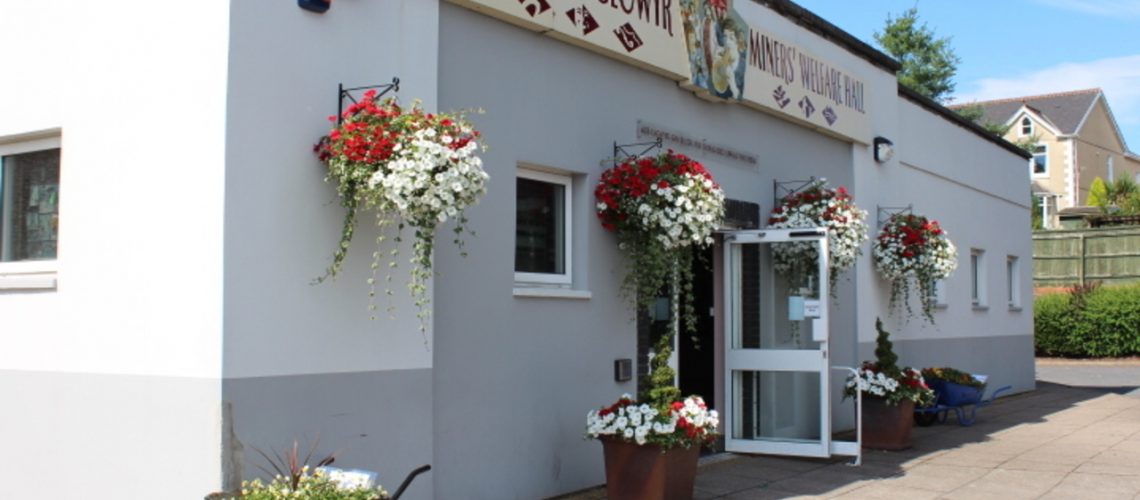
A gateway into Fforest Fawr UNESCO Global Geopark
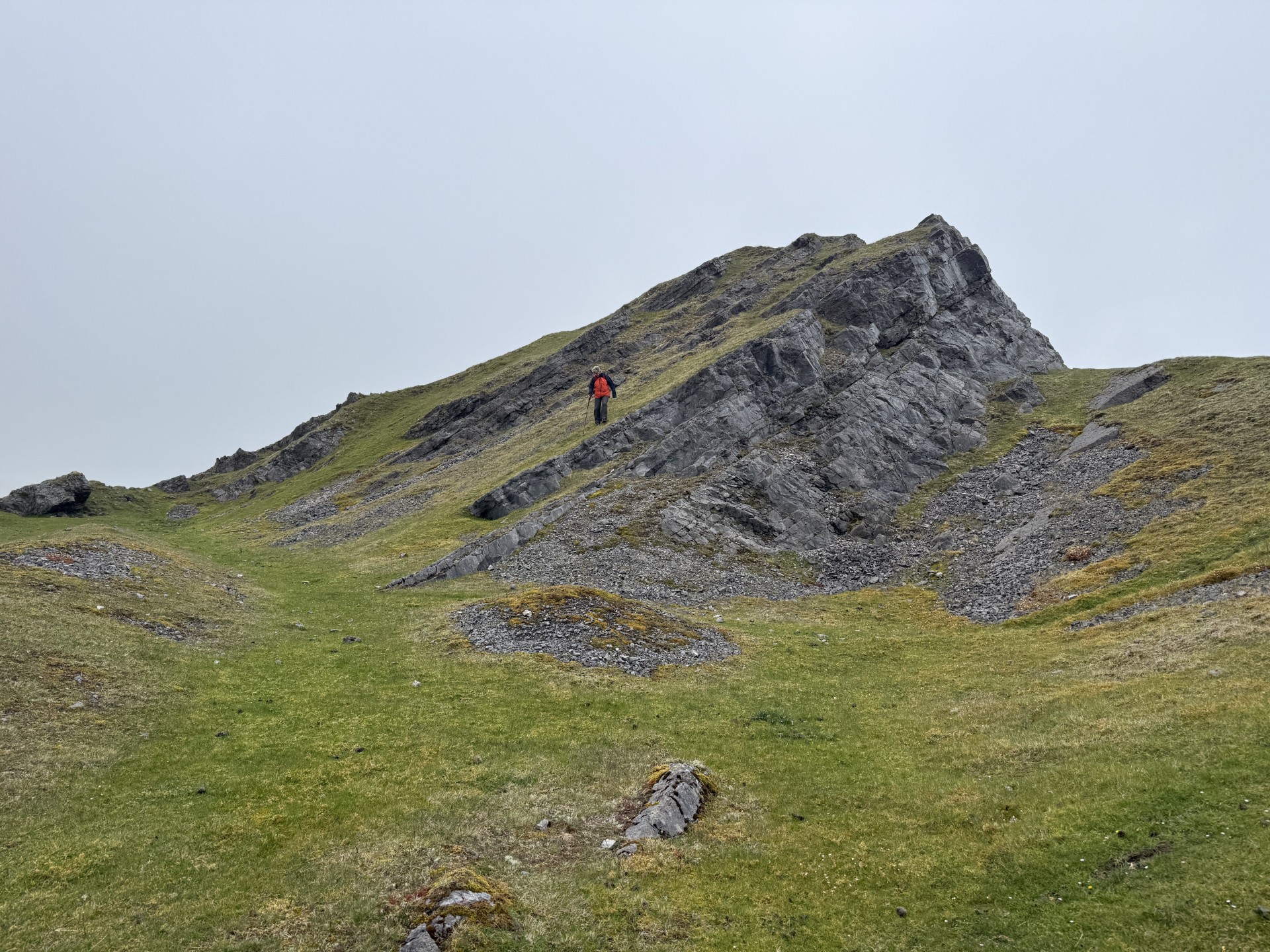
Ystradgynlais stands at the southern entrance to Fforest Fawr UNESCO Global Geopark, a landscape where more than 470 million years of geology meet the story of human settlement and industry.
From the town, the Swansea Valley leads north towards limestone country, caves, quarries and the distinctive ridge of Cribarth. Ystradgynlais is a useful starting point for understanding how the area’s rocks, coal and iron shaped both the landscape and the communities living within it.
Josef Herman and the heritage trails
Polish-Jewish artist Josef Herman arrived in Ystradgynlais in 1944 intending to stay for a fortnight. He remained for eleven years, became known locally as ‘Joe Bach’ and created powerful images of the miners and working community around him.
The Josef Herman Art Foundation continues that connection from its base at The Welfare. Its heritage trail follows an easy, mainly flat route around the town centre, with further locations in Cwmgiedd and at the former Ynyscedwyn Colliery, now a nature reserve. A separate Heritage Nature Trail begins in Gorsedd Park and explores the area’s industrial and natural history.
Follow the Josef Herman Heritage Trail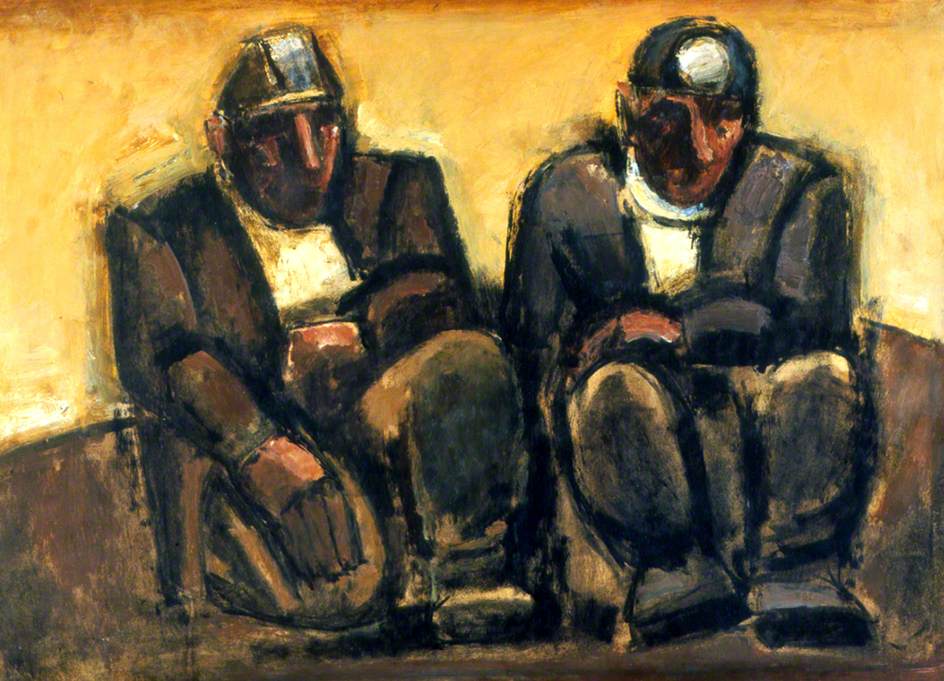
Ynyscedwyn: the innovation that travelled to America
On 5 February 1837, works superintendent David Thomas successfully ran a blast furnace at Ynyscedwyn using local anthracite coal. The achievement combined James Neilson’s hot-blast method with years of experiments supported by ironmaster George Crane, solving a problem that had previously prevented anthracite from being used effectively for iron smelting.
The breakthrough helped transform the western coalfield. Thomas was later recruited to Pennsylvania, where he founded what became the Lehigh Crane Iron Company and shared the process with a new generation of American ironmasters. Today, the surviving chimney and arches stand within Ynyscedwyn Heritage Park, marking a local innovation with international consequences.
Read the researched history of YstradgynlaisSt Cynog, Gorsedd Park and the town’s Welsh culture
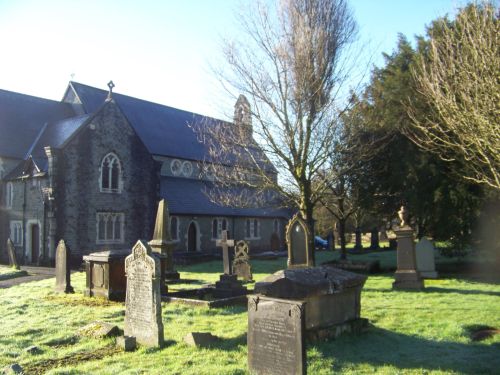
Tradition places a church at Ystradgynlais in the age of the Celtic saints, while the present St Cynog’s Church opened in 1861. It carries the name of Cynog, a son of Brychan, the early ruler associated with Brycheiniog.
Nearby Gorsedd Park recalls the National Eisteddfod held in Ystradgynlais in 1954. Together with the town’s chapels, music, arts and strong Welsh-language tradition, the park reflects a culture shaped by both the industrial valleys and the older landscape of mid Wales.
Cwmtwrch and Twrch Trwyth
Close to Ystradgynlais, Cwmtwrch means ‘valley of the boar’. Its name is traditionally linked to Twrch Trwyth, the enchanted wild boar hunted by Culhwch and King Arthur’s warriors in the medieval Welsh tale Culhwch ac Olwen.
The story is rooted in the landscape of Fforest Fawr UNESCO Global Geopark, where geology, industrial history and Welsh legend meet. It adds another layer to an area best explored slowly, following rivers, old routes and the names carried by the land.
Explore Ystradgynlais and the surrounding area
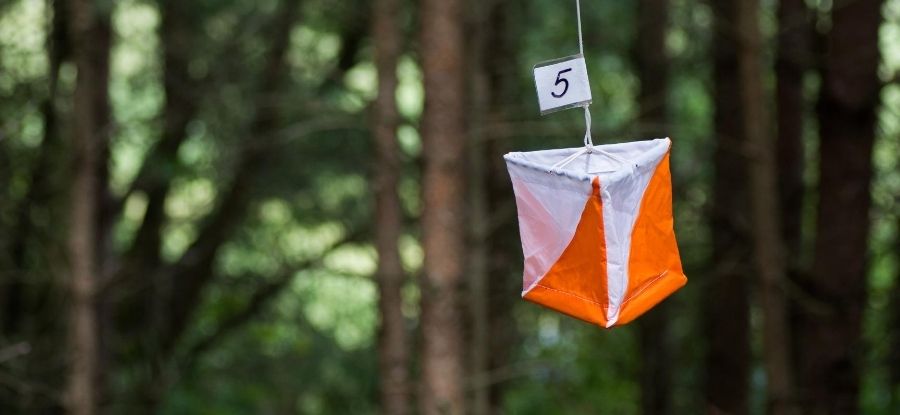


Walking routes around Ystradgynlais
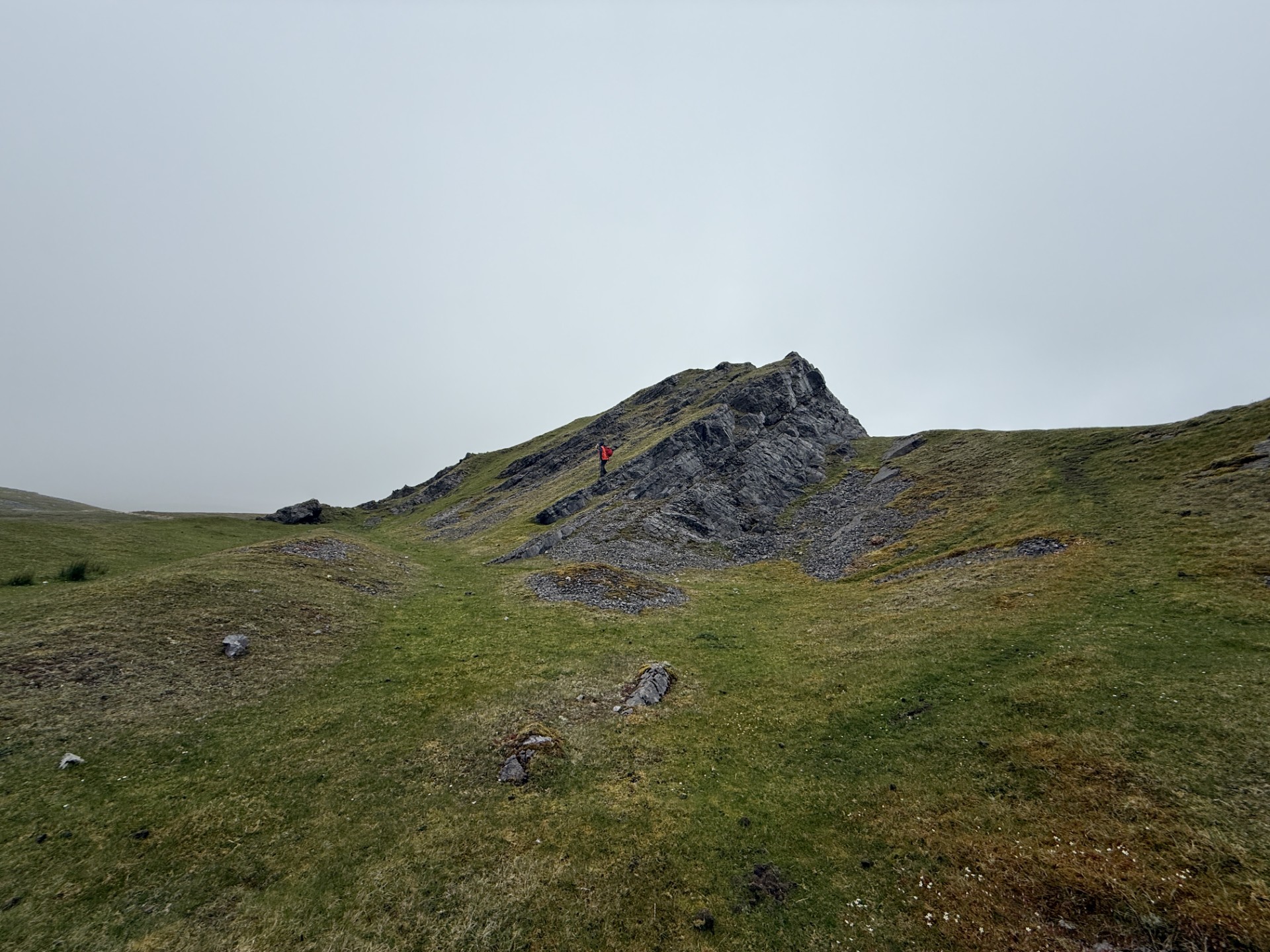
Walking Routes
There are countless stunning walks throughout Bannau Brycheiniog National Park. Here are some of our favourites
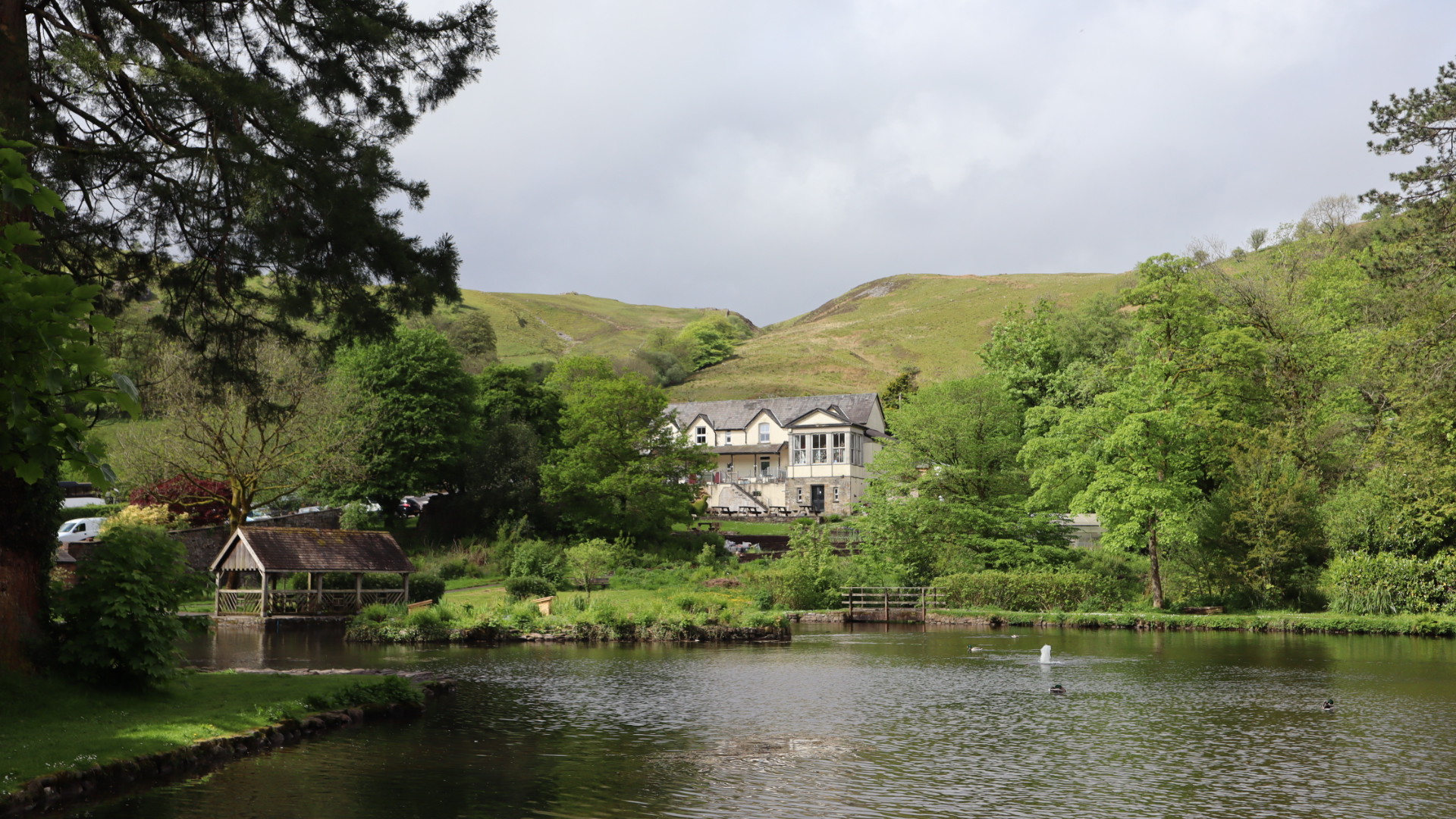
A short but varied walk leads through the pretty Country Park – the former pleasure gardens of Craig-y-Nos castle, past lakes and ponds.